The Year in Review: 2025 at Freie Universität Berlin
With a year so full of momentous achievements and remarkable challenges it is difficult to pick the most important moments for our annual retrospective. However, two topics clearly dominated the last twelve months at Freie Universität Berlin: budget cuts and academic freedom.
The austerity measures imposed on universities by the Berlin Senate have had painful consequences: Over the course of 2025, Freie Universität Berlin had to cut 31.6 million euros from its budget at short notice – with figures of up to 41 million euros initially under discussion. Thanks to negotiations with the leaders of Berlin’s universities, starting in 2026, the State of Berlin will assume financial responsibility for civil servants’ pension costs – a measure that will provide tangible relief for the university’s budget. With regard to the next steps, a structural development process is currently under way with the participation of all academic departments and central units – we will keep you informed. One thing can be said for certain: These financial cutbacks have severe consequences, but we now have a level of clarity that allows for more certainty in our planning up to 2028.
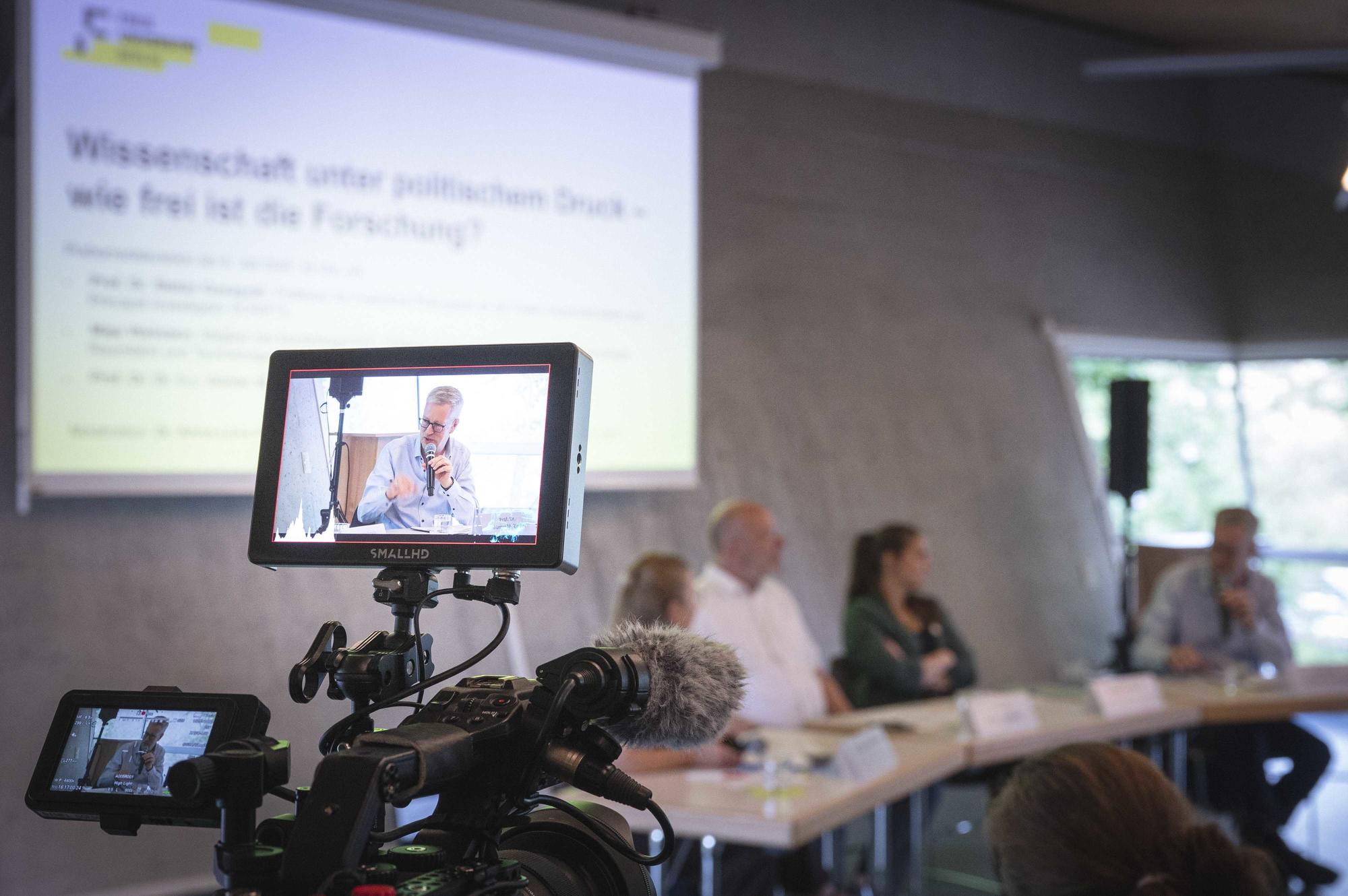
Which brings us to the second major issue of 2025: academic freedom. Indeed, the two topics are closely related. Academic freedom is enshrined in Germany’s Basic Law (Article 5.3), which stipulates that teaching and research must be free from state interference. Moreover, the state must provide adequate funding to this end. To give politicians a more personal impression on the impact that the cuts are having, researchers at Freie Universität Berlin invited members of the Berlin Senate and the House of Representatives to campus.
Throughout the year, one of the fundamental principles protected by Article 5.3 of the German Basic Law came up in multiple contexts. This principle asserts that any topic, however controversial, can be addressed as a subject of academic debate and scientific inquiry. The principle itself is sometimes controversial and often raised the polemical question of who is allowed to say what on campus. The university’s Code of Conduct and the guidelines on Freie Universität’s sense of responsibility seek to provide a framework to address questions like this. A special series of articles on academic freedom, published by Freie Universität Berlin, Humboldt-Universität zu Berlin, and the Cluster of Excellence SCRIPTS, examined other questions related to the topic, such as: Where is the line between freedom of opinion and academic freedom? And where do the rights of individuals overlap with or come into conflict with those of institutions such as universities?

Advancing to the Next Round: Berlin University Alliance
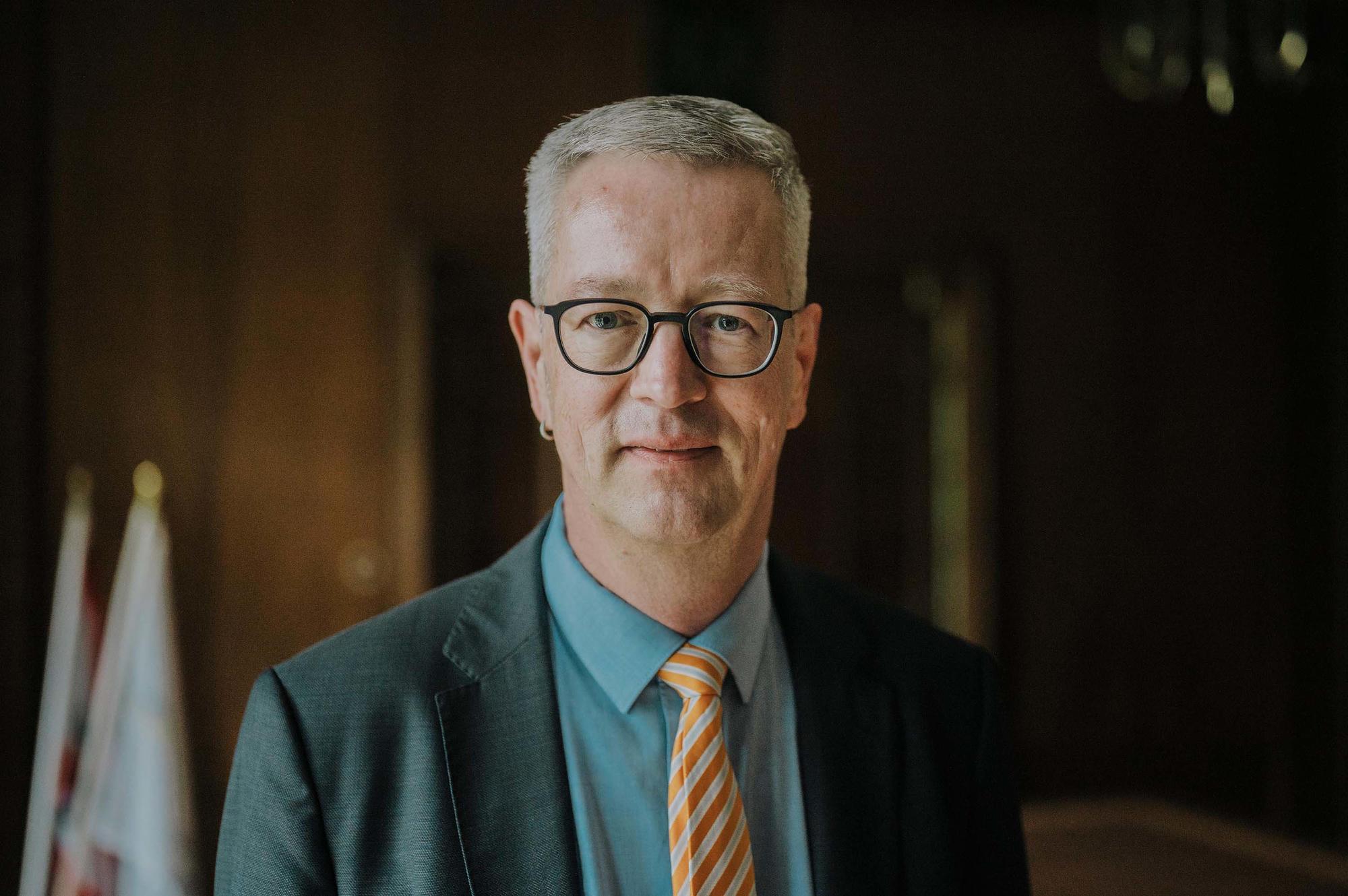
In May 2025, the German Research Foundation (DFG) approved five Clusters of Excellence within the Berlin University Alliance – paving the way for the upcoming evaluation of the university consortium comprising Freie Universität Berlin, Humboldt-Universität zu Berlin, Technische Universität Berlin, and Charité – Universitätsmedizin Berlin. “The overall outcome shows just how strong, creative, and internationally visible our cutting-edge research truly is,” said President Ziegler in an interview with campus.leben. The evaluation process officially began in early August with the submission of the self-assessment report; the on-site visit by the German Science and Humanities Council followed in early November. The decision on the continuation of funding for the Alliance will be announced in March 2026.
In July UNITE – Startup Factory Berlin-Brandenburg was selected as one of ten flagship projects for science-based startups from across Germany. It will receive up to 10 million euros in federal funding, supplemented by 10 million euros from private investors.


People
Our community of world-class researchers and scholars celebrated many successes over the course of 2025. For example, Volker Hauke, professor of molecular pharmacology at Freie Universität Berlin, was one of ten recipients of the Gottfried Wilhelm Leibniz Prize 2025. The Leibniz Prize is widely considered the most important research award in Germany, and in the coming year, Barbara Vetter, professor of philosophy, will receive the prize for her work on possibilities and potentialities.
In October we recognized our alumni with a Golden and Silver Doctoral Jubilee for those who completed their doctorates here in 1975 and 2000.
The list of honors and recognitions in 2025 goes on! To mention just a few: Islamic studies scholar Gudrun Krämer won the “Preis des Historischen Kollegs,” awarded every three years by the Historisches Kolleg in Munich for outstanding work in the field of history. Kurdish studies professor, Khanna Omarkhali, was also recognized for her research on Yezidism and Kurdish culture with the 2025 Jemal Nebez Award. Another professor of philosophy, Manon Garcia, was honored by the German Research Foundation (DFG) with the 2025 Heinz Maier-Leibnitz Prize. The award is considered Germany’s most distinguished award for early-career researchers.
Our student athletes also achieved great things this year: Neele Arndt, who studies political science and is a Deutschlandstipendium scholarship recipient, won bronze at the 2025 Rhythmic Gymnastics European Championships.
Freie Universität was also making waves in the literary world throughout the year: Iraqi author Abbas Khider was awarded the 2025 Berlin Literature Prize and appointed Visiting Professor for German-Language Poetics at the Peter Szondi Institute, Freie Universität Berlin. Translator Miriam Mandelkow was named August Wilhelm von Schlegel Visiting Professor for Translation, and Malaysian author Tash Aw the Samuel Fischer Visiting Professor for Literature. South Tyrolean author Oswald Egger delivered the Siegfried Unseld Lecture, organized in cooperation with Suhrkamp Verlag.

Margot Friedländer
Image Credit: Bernd Wannenmacher
Honoring the Memory of Margot Friedländer
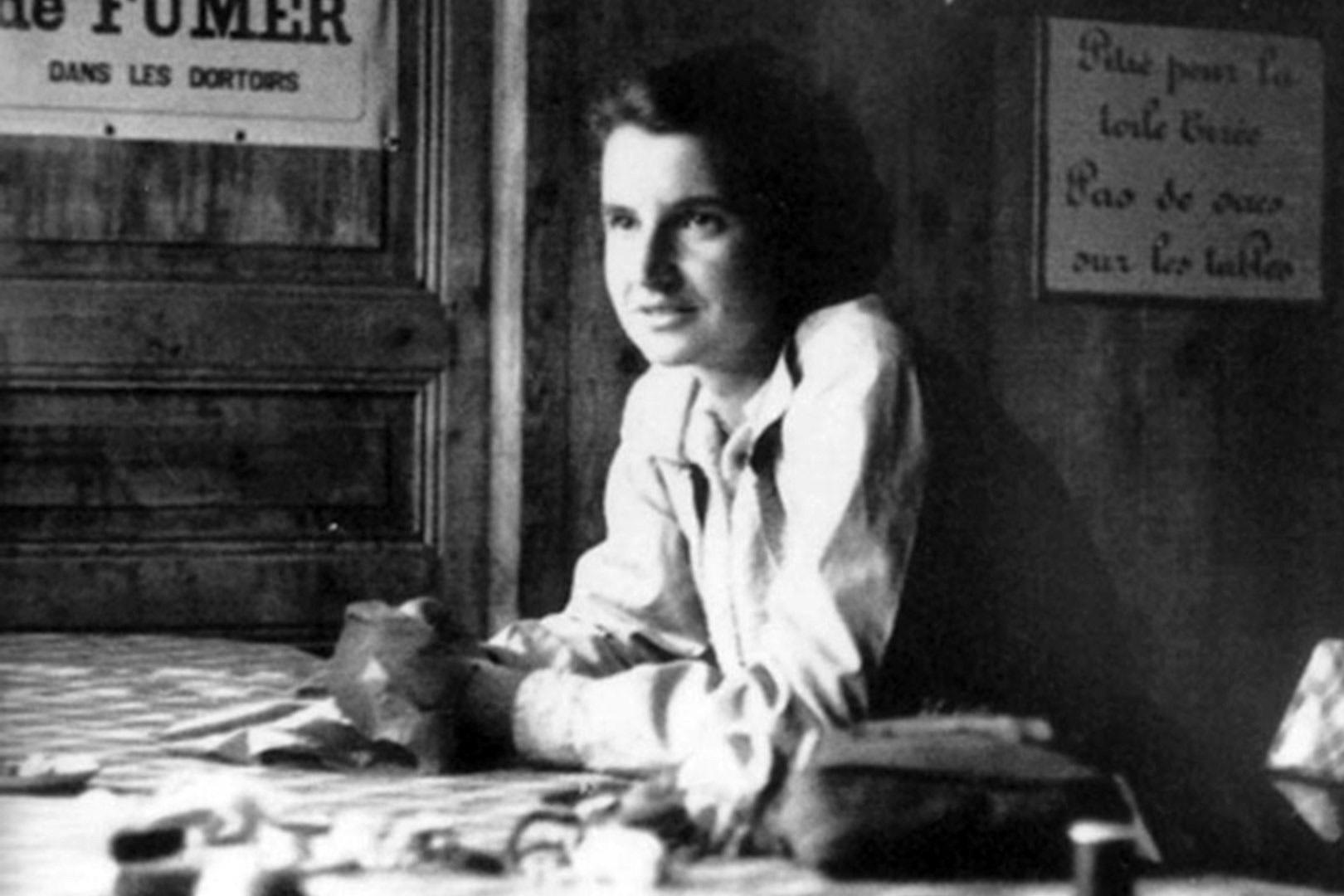
On May 9, 2025, Holocaust survivor and beloved public figure Margot Friedländer passed away at the age of 103. Friedländer held an honorary doctorate from Freie Universität Berlin for her extraordinary commitment to public history. Her visits to schools and universities, including several visits to Freie Universität Berlin, were moving testimonies to history and a powerful appeal to young people in particular to show moral courage.


Artificial Intelligence
The topic of AI was on everyone’s mind in 2025. To ensure equitable and data protection-compliant use of artificial intelligence in teaching and learning, Freie Universität introduced the central chatbot KI.Assist@FU in October 2025. The updated Guidelines for the Use of AI-Based Systems and Tools in Teaching and Learning provide helpful information to university members in these areas. All across campus, different departments and units brought their expertise to a wide range of events on the topic of AI, from workshops provided by the University Library to a continuing education program offered as part of Freie Universität’s AI Week in March 2025. It was even the center of attention at this year’s Day of Good Research Practice, which focused on the opportunities and risks AI poses to science.


Learning Together, Working Together, Talking to Each Other
The big questions that have led to so much debate throughout society have also shaped the conversations we’ve been having on campus – and vice versa. These debates about controversial and sensitive topics raise other questions: How do we talk to one another about these issues? How can we continue to be constructive in our interactions as we study, work, and even argue together? Can we continue to be constructive in the face of diverging political views? And what rules and regulations apply to political activism and protest on our campus?
“The strength of democracy is measured by how it deals with disappointment,” says political scientist Mounir Zahran, whose research at Freie Universität focuses on the strategies democracies use to maintain themselves successfully and the pseudo-solutions that populist movements propagate. If you want to see democracy in action for yourself, the online database StateParl provides access to the parliamentary speeches from Germany’s federal states. The collection goes back as far as 2000. In fact, Freie Universität philosopher Jakob Huber has been carefully observing current developments in democratic countries and encourages us to embrace a political philosophy of hope.
In the spirit of learning together, the public lecture series “Offener Hörsaal” will continue to offer insights into the history, culture, and politics of the Arab world until the end of the current semester in February 2026. Freie Universität is home to researchers from a wide array of fields with expertise on the Middle East. Our website “The Middle East in Focus” showcases some of their work.

New Beginnings
In 2025, Freie Universität welcomed a wave of new leaders across the university. The Botanic Garden Berlin found a new head of its Museum and Society Department with the biochemist and science communicator Luiza Bengtsson. The Engineering and Utilities Division of the central university administration is now headed by a team of two: Sonja Böckenholt and Pia Bornkessel. Freie Universität Berlin also created a new committee on diversity and antidiscrimination. The chair of the committee, Caroline Loysa, was elected to the position in June. Loysa is also the university’s Officer of Diversity and Antidiscrimination.
The university also created new leadership roles in the areas of Open Science and Open Access: Frank Fischer, professor of digital humanities in the Department of Philosophy and Humanities, was appointed Open Science Officer at Freie Universität Berlin in January, and Dennis Mischke, who holds a doctorate in American studies and heads the Research and Publication Services unit at the University Library, is the Open Access Officer.
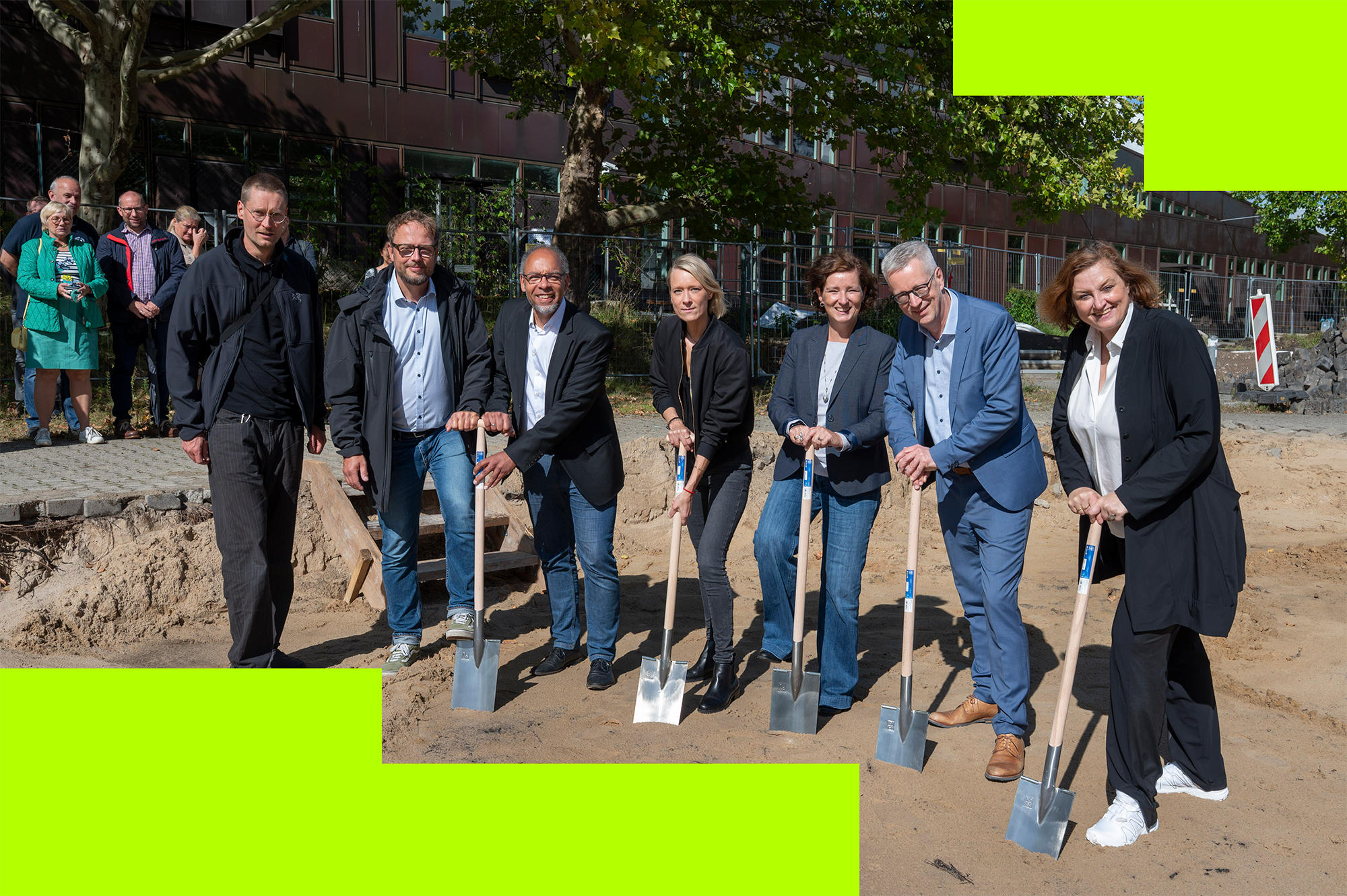
Other new beginnings this year had a more institutional character: The Dahlem Center for Linguistics was founded in June, continuing the work of the Interdisciplinary Center for European Languages (iZEUS). Freie Universität Berlin also ratified its University Statutes, replacing the supplemental rules and regulations (Teilgrundordnung) that had been in place since 1998. This year’s Margherita von Brentano Prize was awarded to the History Education Division and a student collective for translations in Romance languages. In October the FUBIC (Business and Innovation Center next to Freie Universität Berlin Campus) celebrated its groundbreaking ceremony. This new hub for innovation will provide facilities for researchers working in the life sciences, health and medicine, and computer science.